 Business License
How Smart Tool Cabinets Improve Tool Control and Inventory Efficiency in Modern Manufacturing
How Smart Tool Cabinets Improve Tool Control and Inventory Efficiency in Modern Manufacturing
In manufacturing plants, CNC workshops and maintenance departments, tools are essential assets. However, traditional tool storage methods often create problems such as missing tools, inaccurate inventory records, excessive consumption and time wasted searching for the correct item.
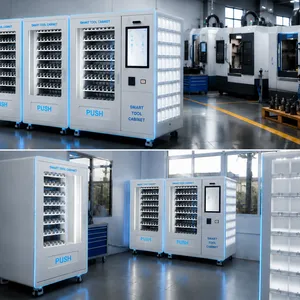
A smart tool cabinet provides a more efficient way to store, issue, return and monitor tools. By combining secure industrial storage with employee identification and inventory management software, it helps companies improve tool availability, control operating costs and establish a traceable tool management process.
What Is a Smart Tool Cabinet?
A smart tool cabinet is an automated storage and management system designed for cutting tools, hand tools, measuring instruments, spare parts and industrial consumables.
Unlike a conventional metal cabinet, a smart tool cabinet can identify authorized employees, record every transaction and update inventory information automatically. Depending on the selected configuration, users may access the system through an employee card, QR code, barcode, password or facial recognition.
The cabinet can be configured with drawers, individual compartments, tool slots or dispensing channels to accommodate different types and sizes of tools.
Why Do Manufacturers Need Better Tool Management?
Many factories still rely on manual registration, open shelves or traditional locked cabinets. These methods may work for a small number of tools, but they become difficult to manage as production expands.
Common problems include:
Employees spending too much time looking for tools
Tools being taken without complete records
Inaccurate stock information
Unexpected shortages that interrupt production
Excessive consumption of cutting tools and consumables
Difficulty identifying damaged, missing or overdue tools
Heavy administrative workload for warehouse personnel
A smart tool management system helps replace these manual processes with controlled, digital and traceable operations.
Key Functions of a Smart Tool Cabinet
Employee Identification and Access Control
Before collecting a tool, the employee identifies themselves through the configured access method. The system checks their permissions and allows access only to approved tools or compartments.
This helps prevent unauthorized use and provides greater protection for valuable cutting tools, measuring instruments and maintenance equipment.
Automated Tool Issuing and Return
Employees can select the required tool through the user interface. The system opens the corresponding drawer or compartment, or automatically dispenses the selected item.
Return functions can also be configured for reusable tools. This creates a clear circulation process covering collection, use and return.
Real-Time Inventory Tracking
Every transaction can be recorded automatically, including the employee, tool, quantity and operation time. Inventory data is updated after each issue or return, giving managers a clearer view of current stock.
Real-time information helps purchasing and production teams make better replenishment decisions.
Low-Stock Alerts
When the quantity of a tool falls below a preset level, the system can generate a replenishment reminder. This reduces the risk of production delays caused by unavailable cutting tools or consumables.
Usage Reports and Data Analysis
Tool usage data can be organized into reports for management review. Companies can analyze consumption by employee, department, item or time period.
These reports help identify frequently used items, abnormal consumption and opportunities to improve purchasing plans.
Flexible Cabinet Configurations
Smart tool cabinets can be designed for different industrial requirements. Available configurations may include:
Tool slots for CNC cutting tools
Electronic drawers for precision instruments
Individual compartments for valuable equipment
Recycling sections for used tools
Temporary storage compartments
Storage areas for personal or shared tools
Smart tool cabinets are suitable for:
CNC machining centers
Automotive manufacturing plants
Aerospace component factories
Mold and die workshops
Machinery production facilities
Maintenance and repair departments
Industrial warehouses
Technical training centers
Electronics and precision manufacturing plants
They can be used to manage CNC tool holders, end mills, drill bits, taps, inserts, measuring tools, hand tools, safety supplies and frequently used industrial consumables.
How to Select the Right Smart Tool Cabinet
Before choosing a system, buyers should consider the following questions:
What types and sizes of tools need to be managed?
Are the items reusable, consumable or both?
How many employees will use the cabinet?
Which identification method is required?
Is tool return or recycling management necessary?
How many compartments, drawers or dispensing channels are needed?
Does the system need to connect with existing ERP or management software?
Is remote data viewing required?
Are customized dimensions, colors or branding needed?
Providing this information allows the supplier to recommend a suitable cabinet structure and software configuration.
Conclusion
A smart tool cabinet is more than a secure storage cabinet. It is a practical tool management solution that combines controlled access, automated records, real-time inventory tracking and usage analysis.
For manufacturers seeking to reduce tool loss, improve production efficiency and establish a transparent inventory process, smart tool cabinets provide a scalable solution for modern industrial management. With configurable hardware and software, the system can be adapted to different tools, departments and manufacturing environments.

Contact Us
Recommended Products
-
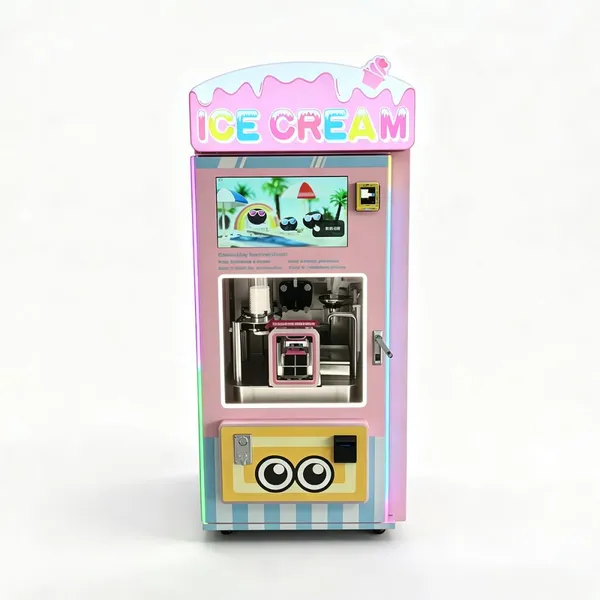
 Automatic Ice Cream Vending Machine With Cashless Payment and Smart Freezer ControlNegotiableMOQ: 1 Piece
 -
Fresh Flower Vending Machine for 24/7 Bouquet Sales With Smart Cooling and Touch ScreenNegotiableMOQ: 1 Piece
-
Industrial Smart Inventory Cabinet System for Tool Crib, PPE and MRO Material ControlNegotiableMOQ: 1 Piece
-
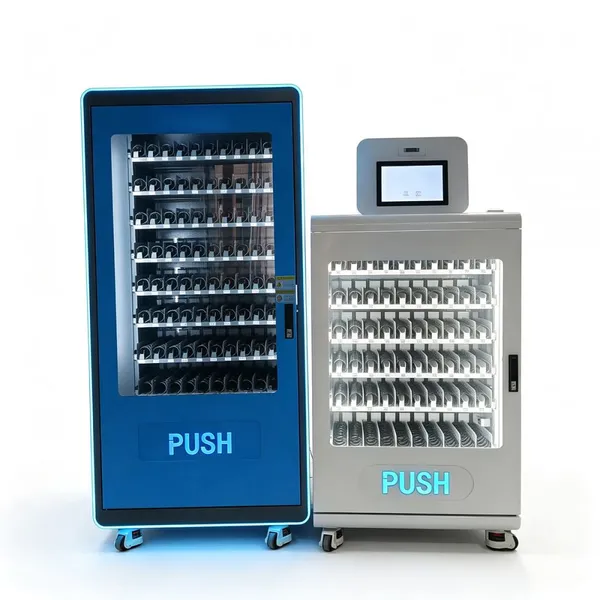
Intelligent Combined Storage Cabinet for Tools, PPE, Spare Parts and ConsumablesNegotiableMOQ: 1 Piece
-
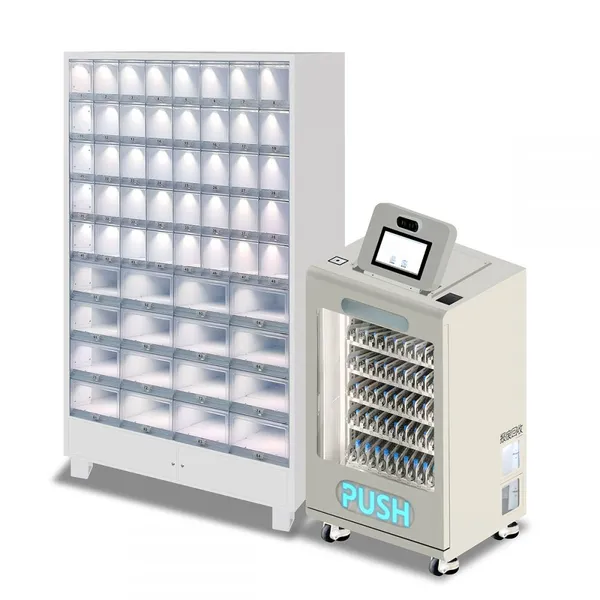
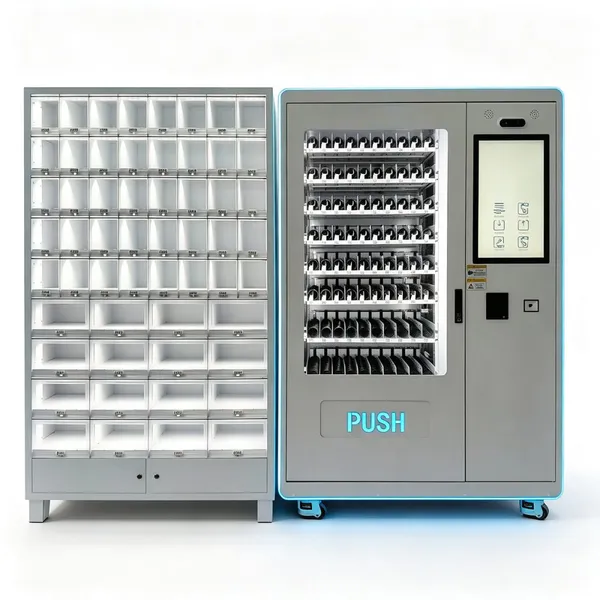
Modular Smart Material Cabinet With Main Cabinet and Slave Cabinets for Factory InventoryNegotiableMOQ: 1 Piece

-
Industrial Smart Tool Cabinet for Cutting Tools, Tool Tracking and 24/7 Self-Service PickupNegotiableMOQ: 1 Piece
-
Smart CNC Tool Vending Cabinet With Inventory Control and Employee Access ManagementNegotiableMOQ: 1 Piece
-
Automated Smart CNC Tool Cabinet With Automatic Dispensing and Stock Monitoring for BT30 BT40 BT50 HSK Tool HoldersNegotiableMOQ: 1 Piece
-
Commercial Grade Automatic Fast Food Vending Machine With Durable Steel Body and Remote Fault Alerts for Public VenuesNegotiableMOQ: 1 Piece
-
Touch Screen Automatic Ice Making and Vending Machine With Multilingual Ordering and Adjustable Purchase Options for Residential CommunitiesNegotiableMOQ: 1 Piece

-
Touch Screen Automatic Fast Food Vending Machine With Multilingual Touch Screen and Cashless Payment for Office BuildingsNegotiableMOQ: 1 Piece
-
Touch Screen Automatic Pizza Vending Machine With Multilingual Touch Screen and Cashless Payment for Shopping MallsNegotiableMOQ: 1 Piece
-
PPE Vending Machine With Touch Screen for Employee Safety Equipment DispensingNegotiableMOQ: 1 Piece
-
Heavy Duty CNC Tool Storage Cabinet With Adjustable Tool Holders for BT30 BT40 BT50 HSK Cutting ToolsNegotiableMOQ: 1 Piece